Skip to content
Chevron Chevron
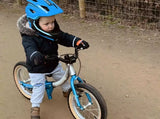
#colour_rocket red, Learn to balance with confidence | 3 year old girl with the LittleBig in little balance bike mode

Balance Bike Guide: helping kids cycle with confidence

Balance bikes help children develop confidence and coordination before moving to pedals. Some designs, such as the LittleBig convertible balance bike, allow children to start with balance and later transition to pedalling on the same bike. This guide explains the different types of balance bikes, how they are used at different stages, what to look for (and what to avoid) and how parents can understand the options available.

What is a balance bike?

A balance bike is a two-wheeled bike for young children, typically starting aged 2 to 4, designed without pedals, chains, gears or stabilisers (training wheels). Sometimes called a push bike, it allows children to propel themselves with their feet while learning balance and steering. By mastering balance first, children typically transition to a pedal bike more confidently and with fewer difficulties.
Why Start With A Balance Bike Plus
  • Develops Essential Cycling Skills: Balance bikes help children develop the core skills of balancing, steering and braking, which are crucial for learning to ride a pedal bike. 
  • Increases Confidence: As kids master balance and steering on a balance bike, they gain confidence in their ability to ride a bike. 
  • Makes Learning to Pedal Easier: Children who start on a balance bike find it easier to transition to a pedal bike because they already have the basic skills of balance and steering. 
  • Encourages Physical Activity: Balance bikes provide a fun and active way for young children to learn how to ride a bike. 
Key Features Of A Balance Bike Plus
  • No Pedals or Gears: Balance bikes rely on the child's feet to push off the ground and propel the bike forward. 
  • Focus on Balance and Steering: The bike encourages children to maintain their balance and steering by leaning into turns which are essential skills for riding a pedal bike. 
  • Lightweight and Durable: Balance bikes are typically made of lightweight materials and have fewer parts, making them easy for young children to manage. 
  • Easy to Learn: Children can easily learn to ride a balance bike by first walking with the bike, then scooting forward with their feet, and finally gliding with their feet off the ground. 
Kids of different sizes on the LittleBig bike in both balance and pedal modes in front of a lake and valley.

What Age Should a Child Start On A Balance Bike?​

Most children can start on a balance bike once they can walk confidently and reach the ground flat-footed. This is often between 18 months and 3 years old, but fit and confidence matter more than age. Starting early helps coordination and control, and older kids often progress very quickly too.

LittleBig bike in three modes: small balance, big balance, and pedal bikeLittleBig bike in three modes: small balance, big balance, and pedal bike

Kids who ride a balance bike first usually don't need stabilisers, as they have already learned how to balance. Instead of relying on training wheels (which can actually delay balance development), your child learns to steer, glide and stop using their feet. Riding a balance bike builds a strong foundation in balance and coordination, making the transition to a pedal bike much smoother.

For parents who want one bike to support the full journey from first glide to confident pedalling, some convertible designs are built to adapt as a child grows.

You can see how a convertible balance bike works here.

Balance Bikes by Age: From 2 Years Upwards

Balance bikes come in a range of sizes to suit toddlers and young children. Below is a simple guide to help you choose the right balance bike at each age.

Balance Bike for 2 Year Old

Look for a lightweight model with a low standover height and low saddle. At this stage, ease of handling is crucial, as it is often a toddler’s first introduction to independent riding.

Balance Bike for 3 Year Old

By three, many children are more confident and may be ready for features such as hand brakes or a slightly larger frame for improved control.

Balance Bike for 4 Year Old

At four, children are often riding confidently and may benefit from grippier tyres or the option to transition toward pedals as coordination develops.

Balance Bike for 5 Year Old

Older children typically need a sturdier frame, longer handlebar reach and taller saddle height. Fourteen inch wheels are often more suitable at this stage for stability and comfort.

Special Needs Balance Bike

A balance bike that adjusts as a child grows can be particularly helpful for children with autism, dyspraxia or Down syndrome, allowing them to progress at their own pace. You can read more in our special needs balance bike guide.

If you’re looking for one bike that adapts from toddler years through to confident pedalling, the LittleBig convertible balance bike is designed to grow with your child from around age two to six.

Why Parents Choose Balance Bikes

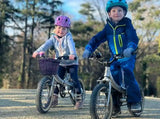
Boy and girl on Silver Storm LittleBig bike in the forest
Easy Transition To Pedalling

With a balance bike, your child has the opportunity to learn in a natural and progressive way. Having already mastered the skills of balancing, braking, and steering, the transition to pedalling is seamless. By focusing on the core skills first, kids can confidently glide while naturally learning how to use the pedals.

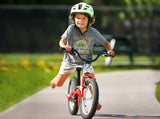
Boy riding the LittleBig balance bike down a path
Develops Motor Skills

Riding a balance bike develops kids' motor skills as they learn to balance and steer, building confidence with every glide. This sharpens their coordination and lays a strong foundation for other physical activities throughout their life.

3 year old boy riding the LittleBig convertible balance bike in a pump track
Encourages Outdoor Play

Riding a balance bike is a fun activity that can encourage children to spend more time outdoors. This helps kids foster a love of nature and a desire to be physically active, which is beneficial for their overall health and well-being.

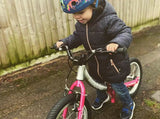
Girl starting off on her pink balance bike on a footpath
Gets Kids Active Early

Once your toddler is walking, riding a balance bike is very intuitive. Kids still have their feet on the ground and simply push forward off the ground with their feet to get going! And after the first few tentative steps, they will progress to running, striding and gliding in no time!

Boy in littlebig pedal mode on a dirt track
No Need For Stabilisers

Studies have shown that children who learn to cycle on balance bikes develop better balance, strength and coordination. It is also now proven to lead to earlier independent cycling then when using stabilisers (training wheels).

3 Year old boy riding on littlebig bike off road while wearing full face helmet
Safe and Fun

By having a low saddle height, kids can keep their feet safely near the ground giving confidence as they learn to balance and steer.

Where Confidence on Two Wheels Begins

Where Confidence on Two Wheels Begins

3 Year old boy riding the LittleBig balance bike on a dirt path in forest3 Year old boy riding the LittleBig balance bike on a dirt path in forest

Top Tip: Plan for the Pedal Transition

Some parents prefer a convertible balance bike so their child can transition on the same familiar frame.

Key Features to Look For in a Balance Bike

If you’re choosing a balance bike, focus on fit , weight, control and durability. Look for a low starting saddle height, smooth steering, grippy tyres, and reliable brakes (for when your child gets faster)!
Check the balance bike is the right size for your child Plus

Unlike normal kids bikes, balance bike sizing is based on leg inseam length rather than wheel or frame size. Your child should be able to have their feet flat on the ground while sitting on the saddle.

To check if the bike is the right size, measure your child’s inseam, with shoes on. This should be the same or slightly longer than the minimum saddle height of the bike. If your little one’s inseam is longer than the maximum saddle height of the bike, you need to choose a bigger bike!

Your child should be able to reach the handlebars comfortably with their torso leaning slightly forwards. Balance bikes with a longer arm reach will allow your child to go faster and maintain a more aggressive, forward leaning stance on the bike. If the bike is more upright (like a Dutch Bike), it will be okay for shorter distances but more difficult to propel the bike forward.

Balance Bike Wheel Size and Build Plus

It's best to look for wheels with air (pneumatic) tires, alloy rims, and hubs with steel spokes. Air tires will provide more cushioning and grip for your child, giving them more confidence. Tires with a wide knobbly tread will give better grip on rough surfaces, while those with a narrower smooth tread will roll faster.

Some brands use EVA foam tires which are puncture-proof but do not provide much grip. Once they wear out, they cannot be replaced, so you need to buy a whole new wheel. Make sure your bike has ball bearings or cartridge bearings rather than nylon (plastic) bushings, which can rattle and wear out easily.

Some tiny balance bikes have 10-inch wheels, but most have 12-inch wheels. Although the LittleBig is a 14-inch balance bike, the unique low-slung frame means it has a similar starting saddle height to many 12-inch wheeled bikes.

Look for a lightweight balance bike Plus

For your child to push the bike easily, the bike should be as light as possible. The frames on kids balance bikes are usually made from aluminium alloy, steel, wood or plastic.

The best material for balance bikes is aluminium alloy as it’s rust-proof and is much lighter than steel. Wood balance bikes can look cute but don’t come with brakes. If you're going for a wood balance bike, ensure it's made using marine plywood as this will not warp and delaminate when wet, unlike the cheaper bikes made of standard plywood.

Balance bike with brakes for the win! Plus

balance bike with brakes offers an added layer of safety for young riders, enabling them to slow down and stop more easily, especially on steeper or uneven terrain. It gives them early confidence using hand brakes before switching to a pedal bike.

By learning how to brake on their balance bike, children can focus solely on pedalling when they transition to a pedal bike. It's essential to choose kid-specific short-reach brake levers to ensure they are easy for small hands to use effectively.

Are The Contact Points Robust and Comfortable? Plus

Look out for a padded saddle rather than hard plastic. Check the material is tough so it doesn’t rip easily. Wood balance bikes usually have wood “saddles” with foam padding on top, which won't be as comfortable as a fully padded saddle.

Rubber handlebar grips are more comfortable and grippy than plastic ones. The only reason brands use plastic is to keep the cost down.

The best balance bikes come with a ball bearing or cartridge bearing headset, this allows the handlebars to rotate & steer freely. Some cheaper balance bikes come with rattly plastic bushings that cannot be serviced.

Aesthetics, the beauty is in the detail! Plus

It's not top of the list, but if the bike looks good, your child is going to like it more and want to ride it more.

Beware of popular cartoon-branded bikes (Paw Patrol, Peppa Pig, etc.) or ones with a plethora of accessories as standard (doll seats, baskets, etc.), as these are usually fitted to an inferior bike that is poorly thought out. The trinkets are usually to mask a multitude of shortcomings in the bike's design.

Long Term Value for Money Plus

Cost is obviously a big factor for many parents and really what you choose depends on the bike’s intended use. A more expensive bike will usually be lighter and longer lasting, use better components, have better customer service, and will often have a better re-sale value.

Most quality kids bikes will use genuine bike parts that can be serviced and replaced by a bike shop so can keep the bike running perfectly for longer. There are numerous cheaper copycat brands out there, but they fall down on attention to detail and build quality. They are usually missing some important features such as brakes, air tyres, ball bearings as described below.

Are the parts serviceable or replaceable? Check warranty too! Plus

Most decent balance bikes are built like a real adult’s bike with genuine bike parts that can be serviced and replaced as parts wear, ensuring that the bike keeps running for many years.

Other cheaper balance bikes are more like toys, with parts like plastic bushings and proprietary parts (handlebars, wheels etc) that cannot be sourced locally.

It's important to check the bike's warranty as some will be very limited. The LittleBig bike comes with a lifetime warranty giving parents peace of mind.

How To Ride a Balance Bike

Make Sure The Bike Fits Your Child Plus

Riding an ill-fitting bike is awkward and frustrating. While sitting on the saddle, your child should be able to have their feet flat on the ground.

The handlebars should be within comfortable reach, without being cramped, so your child can steer easily. Handlebars on proper bikes can be rotated backwards or forwards and moved up or down to get the right fit.

Learn how to use the brakes Plus

Most kids will intuitively use their feet to stop while using the balance bike, at least while they’re getting started. Once your little one gets faster they’ll need to start using their balance bike with brakes.

It’s best to teach them to use the rear brake first, then the front brake as they get more confident. You may wish to run alongside them with your hand on their back while they are learning in case they need to stop.

Get Padded Up Plus

To ensure that a gentle fall doesn’t knock your child’s confidence, it’s best to be kitted up properly.A well-fitted helmet is strongly recommended, along with sturdy shoes and robust clothing, like jeans and a soft padded jacket. Avoid loose clothing or shoe laces that may get caught in the wheels.

Pick a Safe Suitable Location Plus

An open area free from traffic and distraction will provide a safe learning environment, and ensure your child is focused on the task at hand.

Avoid parked cars, steps, open water and any other obvious obstacles. Tarmac or short dry grass will ensure your child can get enough momentum to balance safely.

Find a Gentle Hill Plus

In order to get your child coasting along easily, it’s best to find a very gentle downhill which will help in picking up speed. Just make sure there’s a good run-off at the bottom. Parks can be great places to learn as you will find long gently sloped paths and trails without too many people around and no traffic.

Patience is the Key Plus

Balance is normally mastered quite quickly. But the nuances of pedalling and braking can take longer.

If your child is reluctant to start riding it’s best to put the bike back in the shed for a few weeks until they’re ready.

Fitting some jazzy accessories like bike bells, basket or stickers could help entice your child to get on their bike.

Ride With Friends Plus

Your child will try and copy whatever you do, so try to let them see you riding a bike as much as possible.

If they have a brother or sister who rides a bike then all the better. You can then go out and ride as a family, and that’s what it’s all about!

Top Tip! - Why Balance Bikes Replace Stabilisers

No need for stabilisers (aka training wheels), balance bikes offers kids a smoother and safer progression to pedalling. Check out our 10 Reasons NOT TO Use Stabilisers On Your Kids Bike.

Balance Bike vs Stabilisers: Key Differences

A balance bike actively challenges children to maintain balance, which quickly helps develop the skills needed to cycle independently.

On the other hand, a bike with stabilisers supports the child while they learn to pedal. However, the problem with this method as I experienced, is that when the stabilisers are removed, the child has to suddenly learn to balance the bike (while pedalling), making it a more daunting experience.

Additionally, the bike is more likely to tip from side to side unpredictably as the child’s weight transfers from one stabiliser to the other. This limits the variety of terrain the bike can be used on and slows the child’s development of core cycling skills.

For an in-depth comparison, read our post Balance Bike Vs. Stabilisers: Which is Best?

balance bike vs training wheels, which should parents choose?

Frequently Asked Questions About Balance Bikes

Here are answers to some of the most common questions parents ask when choosing a balance bike and helping their child learn to ride.
What is a balance bike? Plus

A balance bike is a two-wheeled bike without pedals that helps children learn balance and steering before they start pedalling. Children push along with their feet and naturally develop coordination and confidence on two wheels.

What age should a child start using a balance bike? Plus

Most balance bikes are suitable from around age 2 up to 5 or 6 years old, depending on the child’s height and confidence. The key factor is whether the child can sit on the saddle and place both feet flat on the ground.

How do I choose the right size balance bike? Plus

The correct size is based on your child’s inside leg measurement and the bike’s minimum saddle height. Your child should be able to sit comfortably with both feet flat on the ground while holding the handlebars.

Are balance bikes better than bikes with stabilisers? Plus

Balance bikes teach children to balance first, which is the most important cycling skill. Stabilisers support the bike upright and can delay independent balance. Many families now choose balance bikes to help children transition more smoothly to pedals.

When is my child ready to move to pedals? Plus

A child is usually ready for pedals when they can glide confidently with their feet lifted, steer smoothly, and stop safely. Once balance is mastered, pedalling is typically much easier to learn.

Do balance bikes need brakes? Plus

Younger children often stop using their feet, but as confidence and speed increase, hand brakes provide greater control. Learning to use brakes early can help children transition more confidently to a pedal bike.

What is a convertible balance bike? Plus

A convertible balance bike is designed to start in balance mode and later convert to a pedal bike using an optional pedal kit. This can help children transition from balance to pedalling on the same familiar bike and may reduce the need to buy a separate pedal bike.

Is a convertible balance bike a good option? Plus

Convertible balance bikes allow pedals to be added when a child is ready, usually with an optional pedal kit, reducing the need to buy a second bike. Designs that also adjust in size can support children across multiple years of development.

Are balance bikes safe for toddlers? Plus

Yes, balance bikes are generally very safe for toddlers when they are the correct size and used with basic safety precautions. Because children keep their feet close to the ground, they can easily stop themselves if they lose balance. Wearing a properly fitted helmet and riding in a safe open area helps build confidence while reducing the risk of falls.

How long do children use a balance bike for? Plus

Most children use a balance bike for several years, typically from around age 2 until they are ready to move to pedals. As children gain confidence and coordination, they progress from walking and gliding to balancing for longer distances before eventually learning to pedal.

Looking for a balance bike that grows with your child?

If you are looking for a balance bike that can support your child from their first glide through to confident pedalling, the LittleBig convertible balance bike is designed to adapt through multiple stages of riding.

Learn more about the LittleBig convertible balance bike here.